How to Plan a Wellbeing Week Your Team Will Genuinely Enjoy
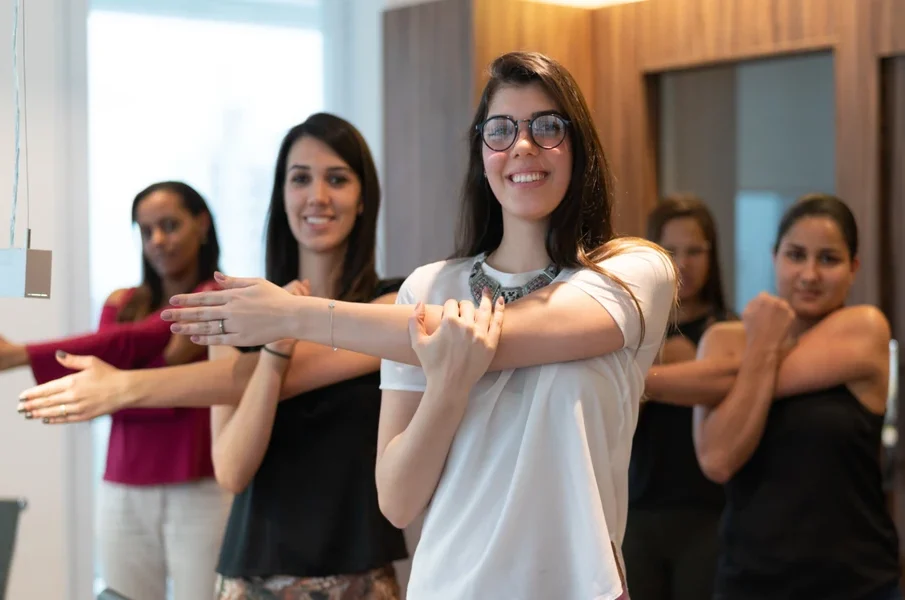
A wellbeing week can be one of the highlights of the working year, or it can be a series of emails nobody reads and sessions nobody attends. The difference usually comes down to planning. When a wellbeing week is built around what your team actually wants, and filled with activities that feel enjoyable rather than obligatory, participation soars and the benefits last long after the week is over.
Whether you are planning your first wellbeing week or looking to refresh a tired format, this guide will help you create something your team looks forward to.
Start by asking your team
The most common mistake is planning a wellbeing week based on assumptions. What one person finds relaxing, another finds awkward. Before booking anything, run a short anonymous survey asking:
- Which areas of wellbeing matter most to them (physical, mental, financial, social)
- What kinds of activities they would enjoy
- What times of day suit them best
- Whether anything would stop them from taking part
The answers will shape a programme that reflects your people, not a generic template. It also shows staff that their opinions matter, which is a wellbeing boost in itself.
Set a clear purpose
Decide what you want the week to achieve. It might be raising awareness of mental health, encouraging more movement, launching a new employee assistance programme or simply giving the team a morale boost after a busy period.
A clear purpose helps you choose the right activities and gives you something to measure afterwards.
Pick the right timing
Avoid scheduling your wellbeing week during peak workload periods, when people will feel too busy to take part. Many businesses align their week with national awareness dates, such as Mental Health Awareness Week in May or World Mental Health Day in October, which gives the programme an extra hook and plenty of supporting resources.
Give each day a theme
Theming each day keeps the week varied and easy to communicate. Here is an example structure:
Monday: Mind
Kick off with a mindfulness or stress management workshop. A short, practical session sets the tone for the week and gives people tools they can use straight away.
Tuesday: Move
Get people active with a lunchtime yoga class, a group walk or a step challenge launch. Keep options accessible for all fitness levels.
Wednesday: Nourish
Focus on nutrition with a healthy lunch, a talk from a nutritionist or a recipe swap. This is also the perfect day for smoothie bike hire, where colleagues pedal to blend their own fresh fruit smoothies. It combines exercise and nutrition in one activity and always creates a buzz around the office.
Thursday: Relax
Bring in therapists for seated chair massages, offering short 15 to 20 minute slots across the day. It is often the most popular session of the week and a lovely treat for busy teams.
Friday: Connect
End on a social note with a team lunch, a quiz, a charity fundraiser or an afternoon of games. Social connection is a vital part of wellbeing and leaves everyone finishing the week on a high.
Build in a showstopper
Every great wellbeing week has at least one activity people talk about afterwards. Something visual, interactive or unexpected draws in those who might skip a workshop and creates great content for internal comms and social media.
Smoothie bikes, chair massages, a guest speaker with a powerful story or a hands-on workshop all work well as a centrepiece. Place your showstopper midweek to keep momentum going.
Make it easy to take part
Even the best activities fail if people cannot fit them in. A few ways to boost participation:
- Offer sessions at different times to suit shift patterns and part-time staff.
- Include hybrid and remote options so people working from home are not left out.
- Use a simple booking system for sessions with limited spaces.
- Get managers on board so staff feel genuinely encouraged to step away from their desks.
- Keep sessions short. Thirty minutes is often more achievable than an hour.
Promote it properly
Build anticipation in the weeks beforehand. Share a schedule, tease highlights, and use posters, intranet updates and team meetings to spread the word. During the week, share photos and quick updates to keep energy high and encourage those who have not yet joined in.
Measure and follow up
Once the week is over, gather feedback through a short survey. Ask what people enjoyed, what they would change and what they would like to see more of. Track attendance at each session to see which activities resonated most.
Most importantly, make sure the week is not a one-off. Use what you learn to shape a year-round wellbeing plan, so the good habits started during the week have a chance to stick.
A week to remember
A successful wellbeing week is not about cramming in as many activities as possible. It is about creating a mix of experiences that help people feel valued, energised and connected. Ask your team what they want, plan a varied programme with a standout moment or two, and make taking part as easy as possible.
Get it right, and your wellbeing week will become an event your team looks forward to every year.