
Easy Steps to Select the Right Generator Size for a Home
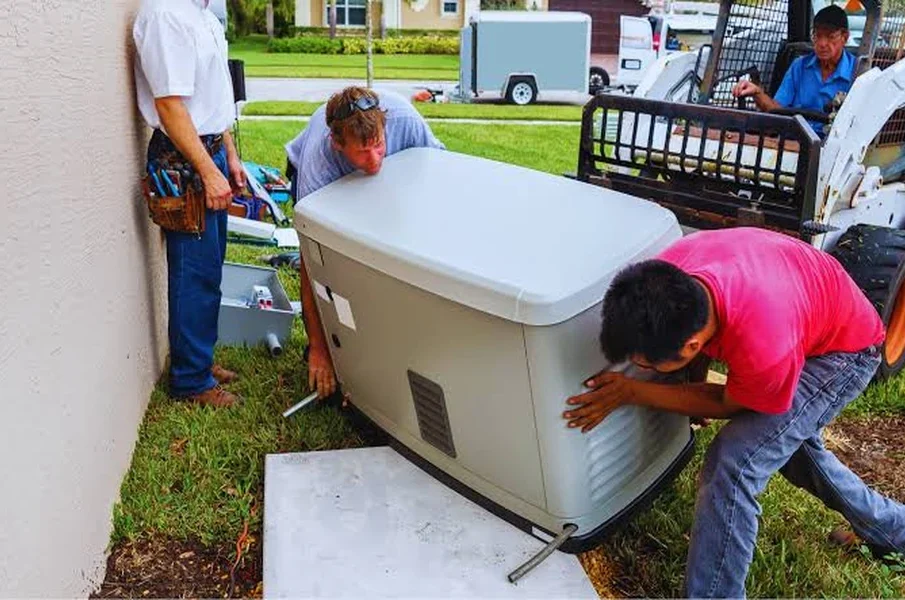
Power outages can interrupt daily routines, affect home comfort, and create safety concerns when essential systems stop working. Choosing the correct generator size helps maintain reliable electricity for important appliances without placing unnecessary strain on the equipment. A careful selection process also supports dependable operation during extended outages.
Homeowners can compare standby options, such as Generac whole house generators, after calculating the property’s actual electrical demand. The selected capacity should support priority equipment without relying on rough estimates. Accurate sizing also helps the generator operate steadily when several connected appliances start at once.
Identify Essential Electrical Loads
Start by deciding which appliances and systems need backup power. Refrigerators, heating equipment, air conditioners, well pumps, sump pumps, lighting, and medical devices may require priority. Separating essential loads from optional conveniences creates a realistic coverage plan.
Check Running And Starting Wattage
Every connected appliance has a running wattage, while motor-driven equipment may require a higher power surge during startup. Air conditioners, pumps, freezers, and furnaces can briefly draw additional electricity before settling into normal operation. Both figures should be included when calculating the required generator capacity.
Create a simple load list that includes:
- Appliance or system name
- Running wattage
- Starting wattage
- Expected operating time
- Priority during an outage
Add The Required Wattage Carefully
Add the running wattage of all equipment expected to operate at the same time. Then include the highest starting wattage among appliances that may cycle on during generator use. This total provides a reliable sizing estimate that accounts for temporary startup demand.
Choose The Right Coverage Level
Generator sizing also depends on the amount of household coverage needed during an outage. Essential coverage supports selected circuits, while managed coverage controls several larger loads according to available capacity. Complete coverage supports a broader portion of the electrical system when the generator and fuel supply can handle the demand.
| Coverage Level | Typical Electrical Needs | Sizing Consideration |
|---|---|---|
| Essential Coverage | Refrigerator, lights, furnace, sump pump, and selected outlets | Add the wattage of priority circuits and the highest startup demand |
| Managed Coverage | Essential circuits plus air conditioning, water heating, or selected appliances | Account for load controls that prevent high-demand systems from starting together |
| Complete Coverage | Most household circuits and major electrical systems | Confirm panel capacity, fuel supply, startup loads, and total connected demand |
The preferred coverage level should reflect daily routines, outage priorities, and the home’s electrical panel. Larger coverage goals require a careful review of high-demand systems such as air conditioners, pumps, and electric water heaters. A detailed load assessment helps determine which circuits can operate together without exceeding the generator’s rated capacity.
Review Fuel Supply And Installation Conditions
The available fuel source can influence generator capacity and installation planning. Natural gas or propane supply must support the selected unit, especially when high-demand equipment runs for extended periods. Placement must also allow safe clearance, proper airflow, and suitable service access.
Confirm The Final Size With A Load Assessment
A qualified electrical specialist can inspect the service panel, identify major loads, and confirm the calculated demand. This assessment may reveal requirements linked to HVAC equipment, pumps, transfer equipment, or planned circuit use. Professional verification reduces the risk of choosing a unit that cannot support the intended coverage.
Plan For Dependable Operation
The U.S. Energy Information Administration reported that electricity customers experienced an average of 11 hours of power interruptions in 2024. A correctly sized generator can support selected household systems during outages without exceeding its rated capacity. Routine inspections and scheduled maintenance also help preserve dependable startup and stable power delivery.
Quality products like the Generac whole house generators are commonly selected after a complete evaluation of household electrical loads, coverage expectations, and installation conditions. A thoughtful sizing process helps provide dependable backup power while supporting efficient operation whenever utility service becomes unavailable.


